
Boeing has spent the last several years rebuilding trust after two of the most scrutinized safety failures in aviation history.
Which makes its AI story a genuinely different kind of case study than everything else in this series. Here, the AI isn't chasing convenience. It's directly tied to the thing Boeing has to get right or nothing else about the business matters.
40% First-Time Quality Improvement & Predictive Maintenance
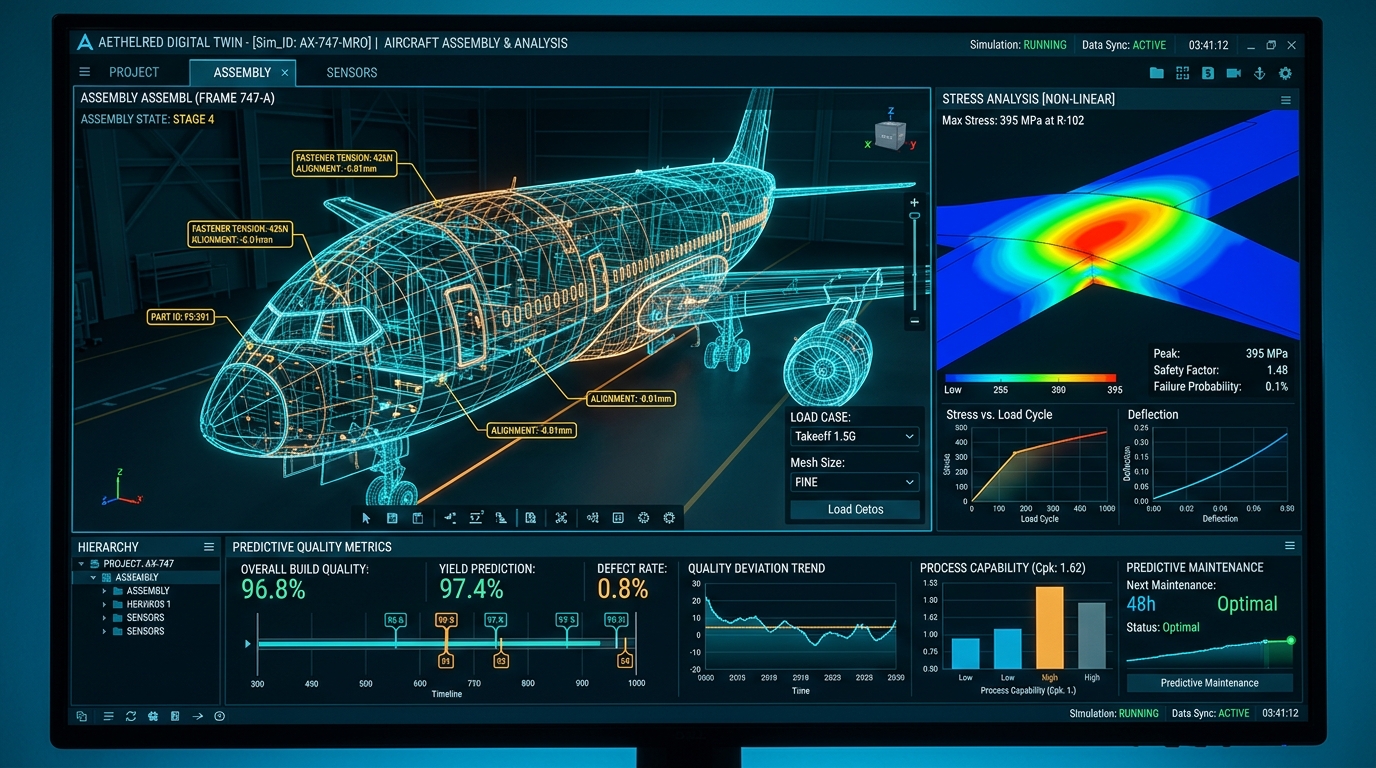
Digital twins are at the center of it. Boeing builds physically accurate virtual models of parts and systems before they're ever manufactured, stress-testing designs and catching problems in simulation instead of on a physical assembly line.
According to Boeing's own reported figures, this approach has delivered up to a 40% improvement in first-time quality of manufactured parts and systems, meaning components are correct the first time, not caught and reworked after the fact.
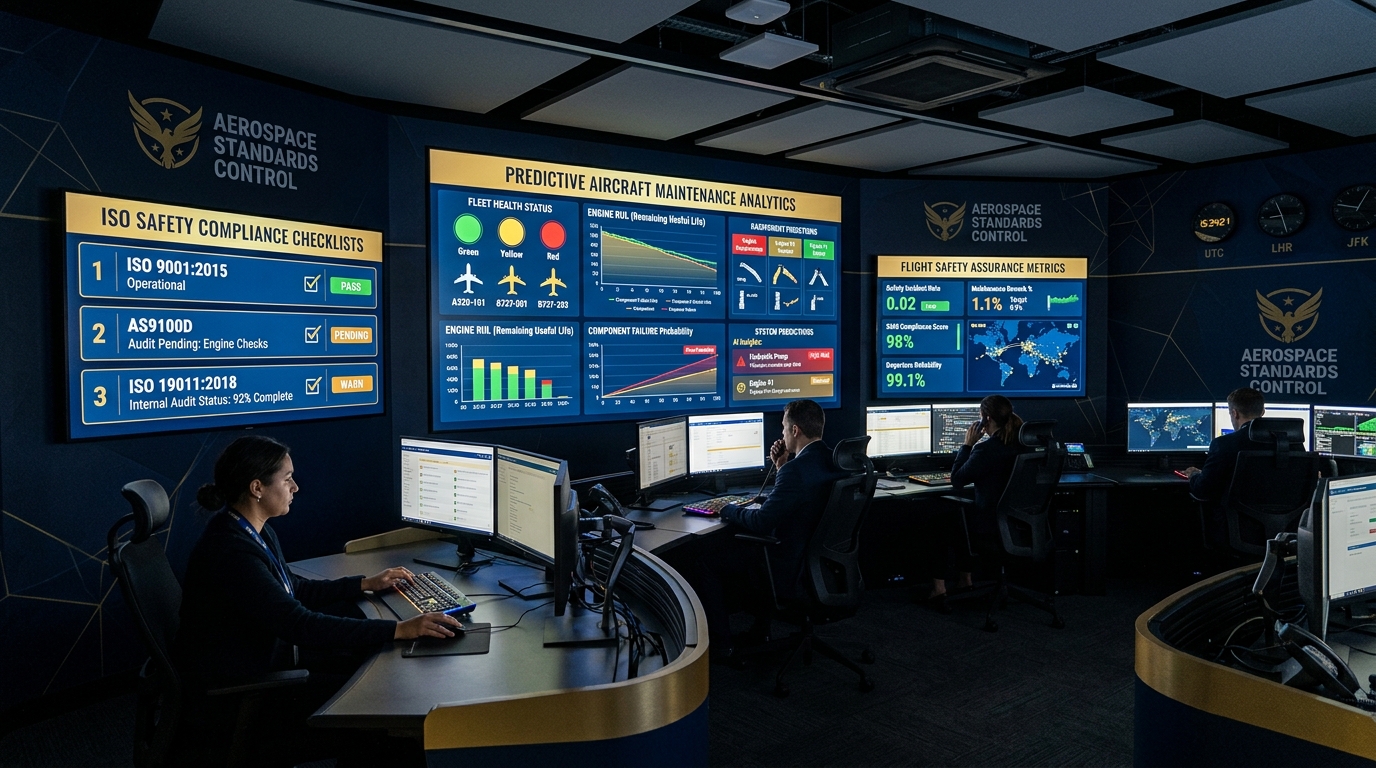
Combined with predictive maintenance analytics, digital twins have also cut maintenance costs by roughly 20% and improved aircraft availability by 5 to 15%, catching issues before they ground a plane instead of after.
AR Assembly Instruction: 90% First-Attempt Accuracy
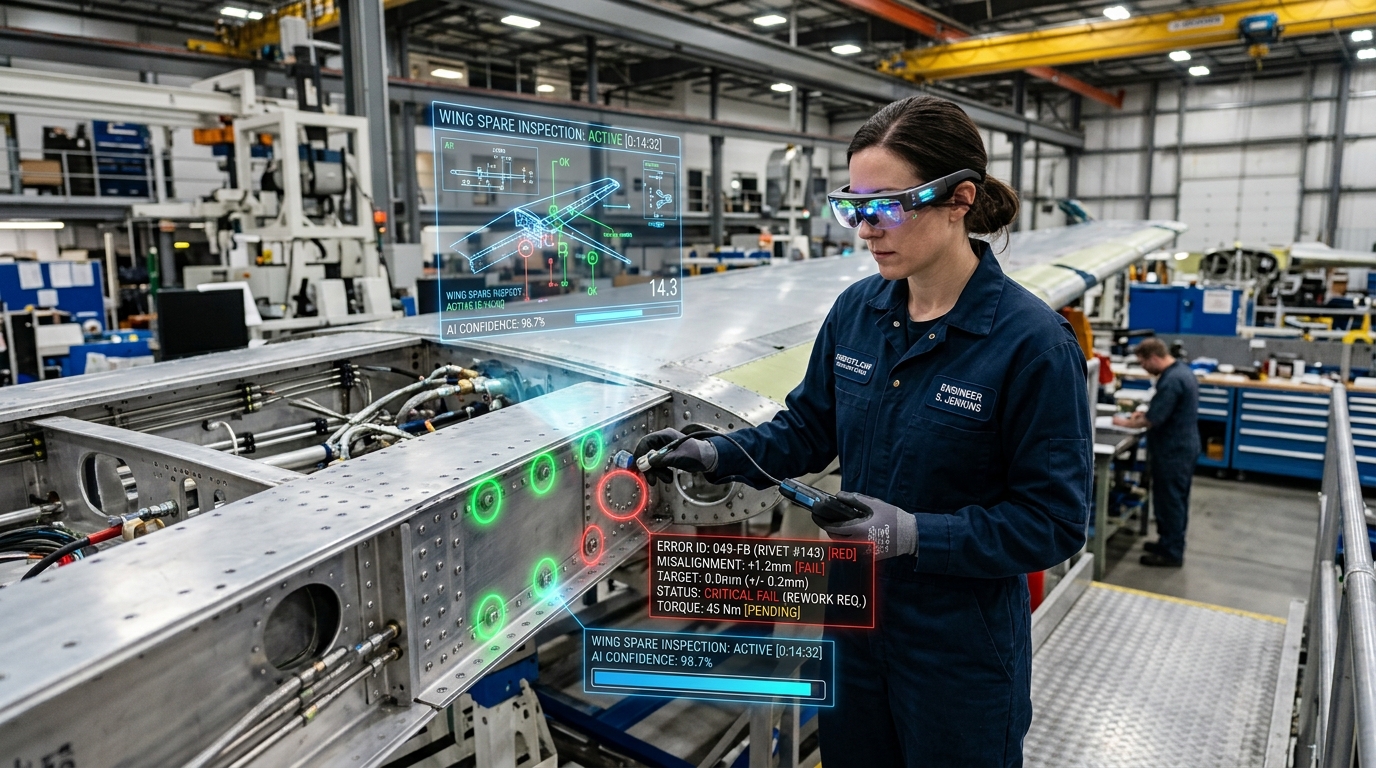
On the training side, Boeing paired AR-guided instruction with AI performance tracking for assembly work. Compared to traditional paper manuals, workers achieved 90% first-attempt accuracy versus roughly 50% with manuals alone, completed assemblies 35% faster, and cut production errors by 25%.
Here's why I think this case study matters more than most others in this series.
At most companies, an AI rollout that underperforms means a disappointing quarterly metric. At Boeing, a quality gap that AI misses can mean a physical failure with lives attached to it. That reality forces a different kind of discipline. You don't get to move fast and iterate in public when the product is an aircraft carrying 200 people.
Boeing's own engineers have been actively shaping industry standards for digital twins through groups like AIA, ISO, and SAE, essentially building the safety rulebook for how this technology gets used across the entire aerospace industry, not just inside their own factories.
The Lesson for Product Leaders
Speed is not the metric that matters when the cost of being wrong is catastrophic. Boeing's AI strategy isn't optimized to move fast. It's optimized to be provably right before anything reaches production, and that's a completely different kind of product discipline than most AI case studies are built around.
Verified Reference Links:
- Explore aerospace engineering at Boeing Official Global Defense & Aerospace Portal.
- Learn about technology research at Boeing Corporate Innovation Hub.